Andrew Lwango writes from Pretoria
Fresh concerns have emerged over the safety of Nigerians living in South Africa after a South African anti-immigration group reportedly issued a strong warning to Nigerian nationals and other foreign migrants amid rising protests against illegal immigration.
The warning comes at a time when South Africa is witnessing renewed demonstrations in several cities, including Johannesburg and Pretoria, where protesters have demanded stricter enforcement of immigration laws and the removal of undocumented migrants. According to recent reports, some activist groups have accused foreign nationals of contributing to unemployment, crime, and pressure on public services, allegations that migrant rights organizations strongly dispute.
Videos circulating on social media and statements attributed to anti-immigration campaigners have urged Nigerians to “be careful,” with some groups reportedly calling on foreign-owned businesses to shut down operations. The development has heightened anxiety among members of the Nigerian community in South Africa, many of whom fear a repeat of previous xenophobic attacks that have periodically erupted in the country over the past two decades.
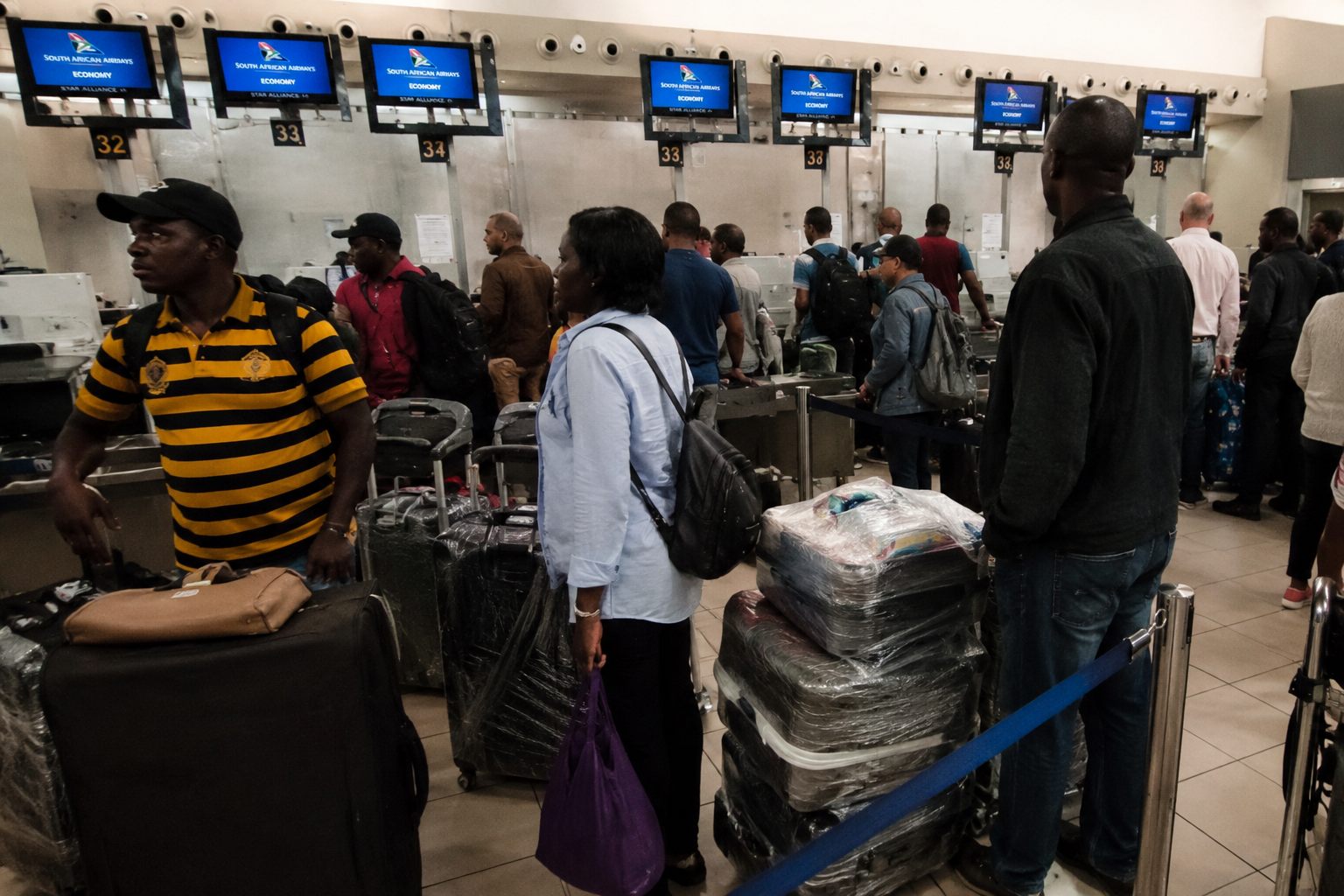
The latest tensions have already prompted diplomatic concern. Nigeria recently announced that more than 130 of its citizens in South Africa had requested government-assisted repatriation amid fears that the situation could deteriorate further. Nigerian authorities have also condemned reported attacks on some of their citizens and demanded accountability where wrongdoing has occurred.
South African authorities, meanwhile, have publicly condemned xenophobic violence and pledged to protect all residents regardless of nationality. The government has acknowledged growing public frustration over economic challenges but insists that violence and intimidation against foreign nationals are unacceptable.
The resurgence of anti-foreigner sentiment poses significant risks to South Africa’s international reputation and investment climate. As Africa’s most industrialized economy, South Africa relies heavily on regional cooperation, trade, tourism, and labor mobility. Continued reports of xenophobic incidents could discourage investors, damage tourism, and strain diplomatic relations with neighboring countries.
The unrest also highlights deeper domestic challenges. South Africa continues to grapple with high unemployment, poverty, and inequality. Analysts argue that migrants often become convenient scapegoats for structural economic problems that require broader policy solutions.
For Nigeria, the situation raises concerns about the welfare of one of the largest African diaspora communities on the continent. Thousands of Nigerians have built businesses, pursued education, and established families in South Africa over the years.
A worsening crisis could force more Nigerians to return home, potentially disrupting livelihoods and increasing pressure on Nigeria’s already challenged economy. The developments could also trigger stronger diplomatic engagement between Abuja and Pretoria as both governments seek to prevent further deterioration in relations.
The tensions extend beyond the bilateral relationship between Nigeria and South Africa. Both nations are widely regarded as Africa’s economic and political heavyweights. Any prolonged dispute between them could undermine efforts toward greater African integration under the African Union and the African Continental Free Trade Area.
The situation also raises broader questions about the future of free movement, economic migration, and Pan-African solidarity. Many African leaders have emphasized that regional integration cannot succeed if citizens from fellow African nations face hostility when seeking opportunities elsewhere on the continent.
Observers warn that if xenophobic sentiments continue to spread, they could weaken confidence in Africa’s integration agenda and fuel retaliatory actions between countries. Recent reports already indicate that several African governments have issued travel advisories or safety warnings to their citizens in South Africa, reflecting growing continental concern.
While authorities in both Nigeria and South Africa continue diplomatic engagement, the current tensions serve as a reminder of the delicate balance between immigration management, economic challenges, and regional cooperation. The coming weeks will likely test the ability of both governments to protect citizens, calm public fears, and preserve the longstanding relationship between two of Africa’s most influential nations.
For many Africans, the hope is that dialogue, lawful enforcement of immigration policies, and stronger economic opportunities, not hostility, will ultimately shape the future of relations between Africans across the continent.