The Government of Ghana has recalled its High Commissioner to Nigeria, Mohammed Baba Jamal Ahmed, following allegations linking him to electoral malpractice during a party primary election in Ghana.
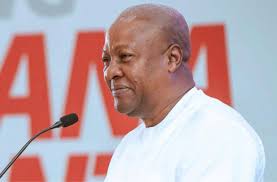
Reports from Nigeria and Ghana indicate that the recall was ordered by President John Dramani Mahama and announced in a presidential statement issued on Saturday, with the directive taking immediate effect. The Ministry of Foreign Affairs was instructed to handle the necessary diplomatic and administrative processes.
The decision stems from allegations of voter inducement and vote buying during the National Democratic Congress (NDC) parliamentary primary in the Ayawaso East Constituency. Ahmed, who was serving as Ghana’s envoy to Nigeria while also contesting as a candidate in the primary, faced accusations that items such as television sets and foodstuffs were distributed to delegates—actions that opponents and observers labeled as inducements aimed at influencing votes.
Ahmed has denied any wrongdoing, insisting that any distributions were gestures of goodwill rather than attempts to sway the outcome. He has pledged full cooperation with ongoing investigations.
The presidency explained that the recall was essential to maintain the ethical standards expected of public officers and to prevent any appearance of impropriety, particularly given Ahmed’s position as a serving official. It also referenced potential violations of Ghana’s Code of Conduct for Political Appointees, which regulates political involvement by appointees.
The Ayawaso East primary was held to choose the NDC’s candidate for an upcoming parliamentary by-election, triggered by the death of the sitting member of parliament. Ahmed reportedly secured the most votes and emerged as the winner.
In response to the widespread allegations of inducement and irregularities, the NDC has launched an internal investigation to safeguard the integrity of its democratic processes.
This rare diplomatic recall highlights the Mahama administration’s emphasis on accountability and ethical conduct in public office, even amid unproven claims and while multiple candidates faced similar accusations—though Ahmed’s status as a public officer set his case apart.