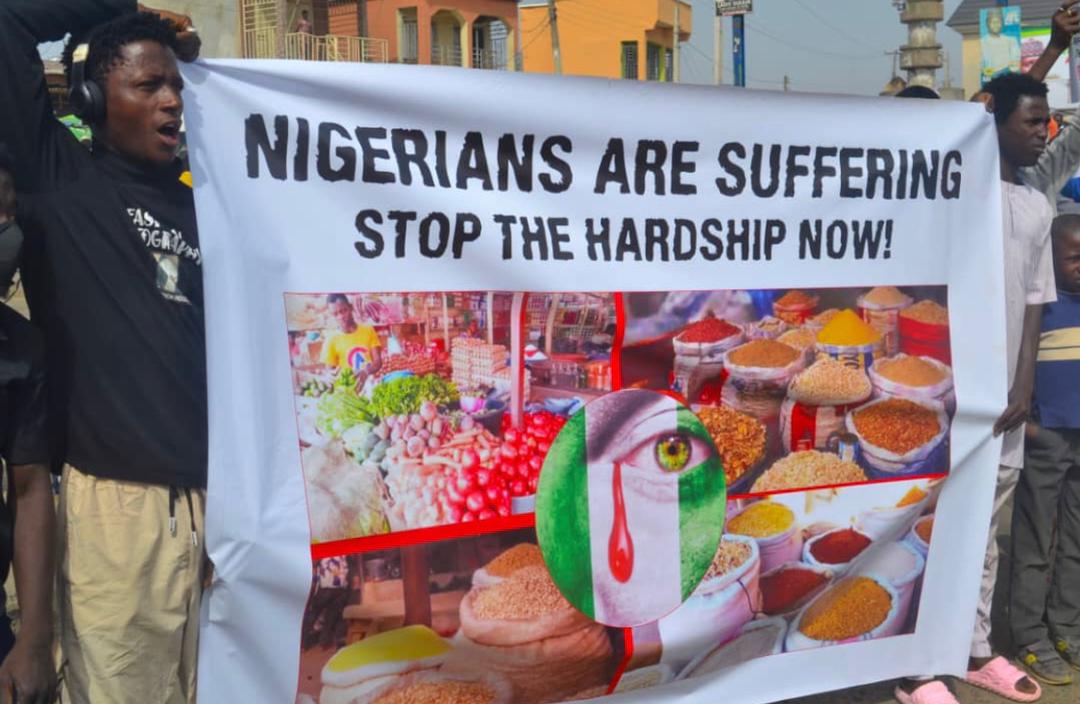
As President Bola Ahmed Tinubu marks three years in office, Nigerians are taking stock of a journey that began with great expectations but has left many citizens grappling with uncertainty, economic hardship, and growing insecurity.
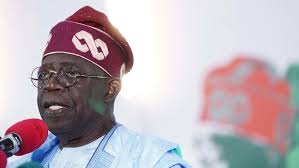
When Tinubu assumed office on May 29, 2023, Nigeria was already facing enormous challenges. Inflation was rising, unemployment remained stubbornly high, public debt was mounting, and insecurity had become a major national concern. Yet, despite these challenges, many citizens believed a new administration would chart a different course and restore confidence in governance.
Three years later, many Nigerians believe the country finds itself in an even more difficult position. While government officials point to reforms, infrastructure projects, and economic indicators as signs of progress, ordinary citizens continue to measure success by their daily realities—and for many, those realities have become increasingly harsh.
The removal of fuel subsidy and the floating of the naira were presented as bold and necessary economic reforms. However, the immediate impact was severe. The cost of transportation soared. Food prices reached unprecedented levels. Rent, healthcare, education, and other essentials became significantly more expensive. Millions of families have struggled to maintain a decent standard of living as their incomes failed to keep pace with rising costs.
The middle class has been severely squeezed, while many businesses continue to battle rising operating expenses and declining consumer spending. Across the country, countless households are making painful choices about what necessities they can afford.
Yet beyond the economy, insecurity remains perhaps the most troubling issue confronting the nation.
From the North-West to the North-Central and parts of the South-East, reports of bandit attacks, kidnappings, terrorist activities, and violent crimes continue to dominate headlines. Entire communities have been displaced, farmers have abandoned farmlands, and many citizens live with the constant fear of becoming victims.
The persistence of insecurity has fueled growing public frustration and speculation. Some citizens have openly alleged that powerful political figures may be sponsoring criminal networks or possess knowledge of their operations and hideouts. These claims have circulated widely in public discourse, especially whenever security agencies record major breakthroughs against criminal groups. However, the government has consistently denied such allegations, insisting that there is no evidence to support claims that political leaders are backing bandits or terrorist elements.
Nevertheless, the inability to decisively end the violence has continued to fuel suspicion among sections of the population. Many Nigerians ask a simple question: if security agencies can locate and eliminate criminal camps during operations, why does insecurity continue to spread in several regions of the country?
Equally troubling for many citizens is what they describe as the deafening silence of some of the nation’s most influential religious leaders. Historically, religious institutions in Nigeria have played significant roles in shaping public discourse, speaking against injustice, and holding leaders accountable.
Today, however, many Nigerians believe that some prominent Christian and Muslim leaders have not spoken forcefully enough about the worsening economic hardship, insecurity, and governance challenges facing the country. Critics argue that religious leaders who once commanded national attention on issues of public concern now appear less willing to publicly challenge political authorities or demand urgent solutions to the nation’s problems.
For many citizens, this silence has created a leadership vacuum. At a time when people are looking for moral voices capable of speaking truth to power, they believe many influential religious figures have remained cautious, reserved, or largely absent from the national conversation.