2026 World Cup: African teams impress despite mixed results

By Zubby Longman, sports desk
As the 2026 FIFA World Cup group stage enters its decisive phase, African teams have delivered a mix of impressive performances, surprising results, and a few disappointments. While no African nation has yet emerged as a clear tournament favorite, several teams have shown that the continent continues to close the gap on football’s traditional powerhouses.
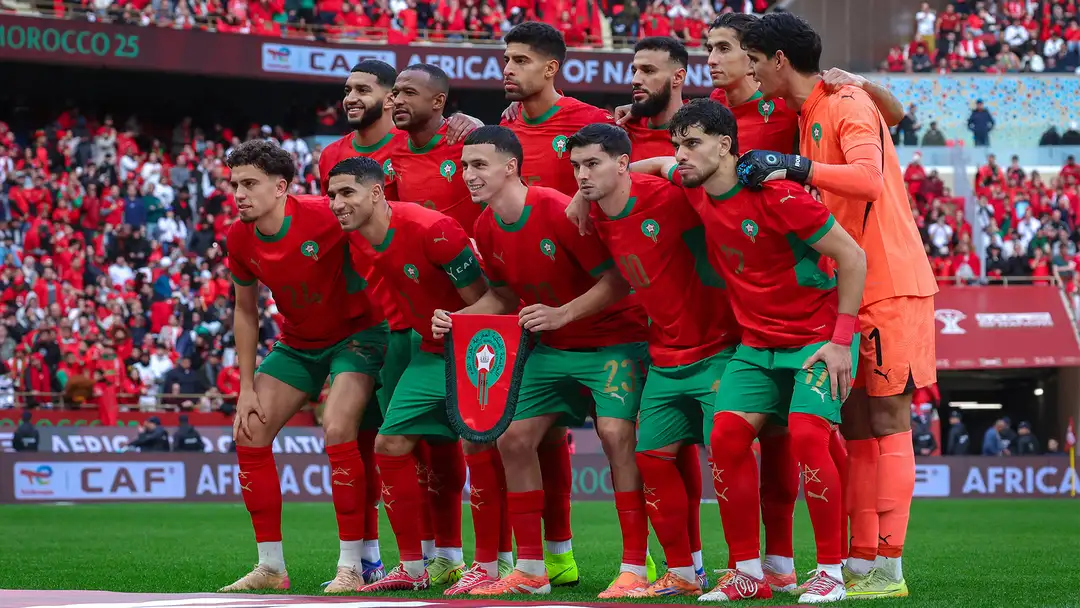
Morocco national team
From Morocco’s resilience against Brazil to Cape Verde’s remarkable debut campaign against Europe’s reigning champions, Spain, Africa’s representatives have demonstrated that they are no longer content with simply participating on football’s biggest stage, but they are determined to compete and win.
Among all African teams, Morocco has once again emerged as the continent’s standard-bearer. The Atlas Lions opened their campaign with a hard-fought draw against Brazil before securing a crucial victory over Scotland. Remaining unbeaten heading into their final group match, Morocco has displayed the same defensive discipline and tactical maturity that carried them to a historic semifinal appearance at the 2022 World Cup.
Football analysts believe Morocco possesses the strongest chance of any African side to reach the quarterfinals and potentially challenge for a place among the tournament’s final four.
Egypt has also enjoyed an encouraging tournament. The Pharaohs earned a valuable draw against Belgium before recording an impressive victory over New Zealand. Their balanced performances have placed them in a strong position to advance to the knockout stages.
Unlike previous tournaments where the team was often viewed as overly dependent on individual brilliance, Egypt has appeared more cohesive and organized, giving supporters renewed hope for a deep World Cup run.
One of the biggest stories of the tournament has been Cape Verde. Making their World Cup debut, the island nation has stunned observers by holding both Spain and Uruguay to draws.
Their fearless approach and disciplined defending have transformed them into one of the tournament’s most captivating underdog stories. Should Cape Verde secure qualification for the knockout rounds, they would become one of the greatest surprise success stories of the competition.
Ivory Coast has shown resilience throughout the group stage, defeating Ecuador and narrowly losing to Germany in a competitive contest. The Elephants remain well positioned to challenge for a place in the knockout rounds.
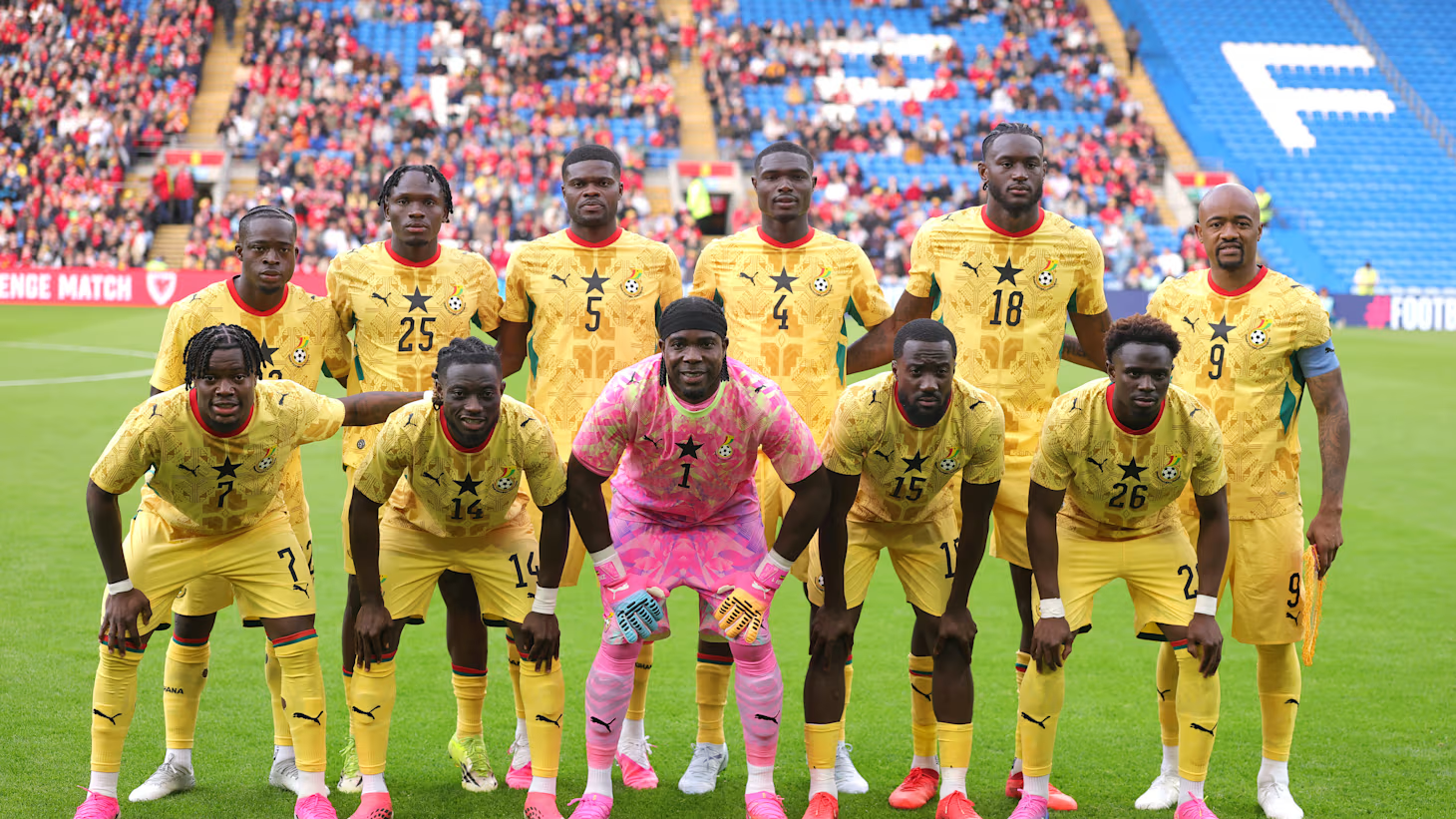
Ghana national team
Ghana has also exceeded expectations. The Black Stars opened with a victory over Panama before frustrating England in a goalless draw. Their defensive organization and work ethic have demonstrated that they are capable of competing with elite opposition.
The Democratic Republic of Congo has proven difficult to beat. A draw against Portugal and a narrow defeat to Colombia suggest that the Central African nation has the quality to compete at the highest level. While qualification remains uncertain, their performances have earned respect across the football world.
Not all African teams have enjoyed success.
Senegal, widely expected to challenge for a place in the knockout rounds, has endured a difficult campaign. Consecutive defeats against France and Norway have left the Lions of Teranga facing an uphill battle.
South Africa has struggled for consistency, collecting only one point from its opening two matches. Bafana Bafana will need a strong final performance to keep qualification hopes alive.
Tunisia has endured perhaps the most disappointing tournament among African representatives, suffering heavy defeats against Sweden and Japan. Their defensive vulnerabilities have been exposed throughout the competition.
Despite mixed results, the overall picture remains encouraging for African football. Several teams have earned positive results against some of the world’s strongest nations, reinforcing the continent’s growing influence on the global game.
The performances of Morocco, Egypt, Cape Verde, Ivory Coast, and Ghana have shown that African teams are becoming increasingly competitive tactically, technically, and mentally.
With several group-stage matches still to be played, Africa could yet send a significant number of teams into the knockout rounds. Morocco appears best positioned for a deep tournament run, while Egypt, Ivory Coast, Ghana, and Cape Verde have all given their supporters reason to dream.
As the tournament progresses, African football once again finds itself at an important crossroads—seeking not only participation and respect but a genuine challenge for football’s ultimate prize.
For now, the continent can take pride in a World Cup campaign that has already delivered moments of inspiration, resilience, and hope for even greater achievements ahead.

900
Comments are closed

Stay Updated!

Subscribe to get the latest blog posts, news, and updates delivered straight to your inbox.

By pressing the Sign up button, you confirm that you have read and are agreeing to our Privacy Policy and Terms of Use