Niger files official withdrawal from ICC amid growing regional realignment

Niger has formally initiated the process of withdrawing from the International Criminal Court (ICC), taking the next legal step nearly nine months after announcing its intention to sever ties with the global judicial body.
The ICC confirmed that it received Niger’s official instrument of withdrawal on June 18. Under the court’s founding treaty, the withdrawal will become effective one year after the notification date. Until then, Niger remains bound by all of its obligations as a member state.
The announcement follows a joint declaration made in September 2025 by Niger, Mali and Burkina Faso, whose military-led governments collectively rejected the authority of the ICC. The three Sahel nations accused the court of serving as a tool of external domination, describing it as an instrument of neo-colonial repression.
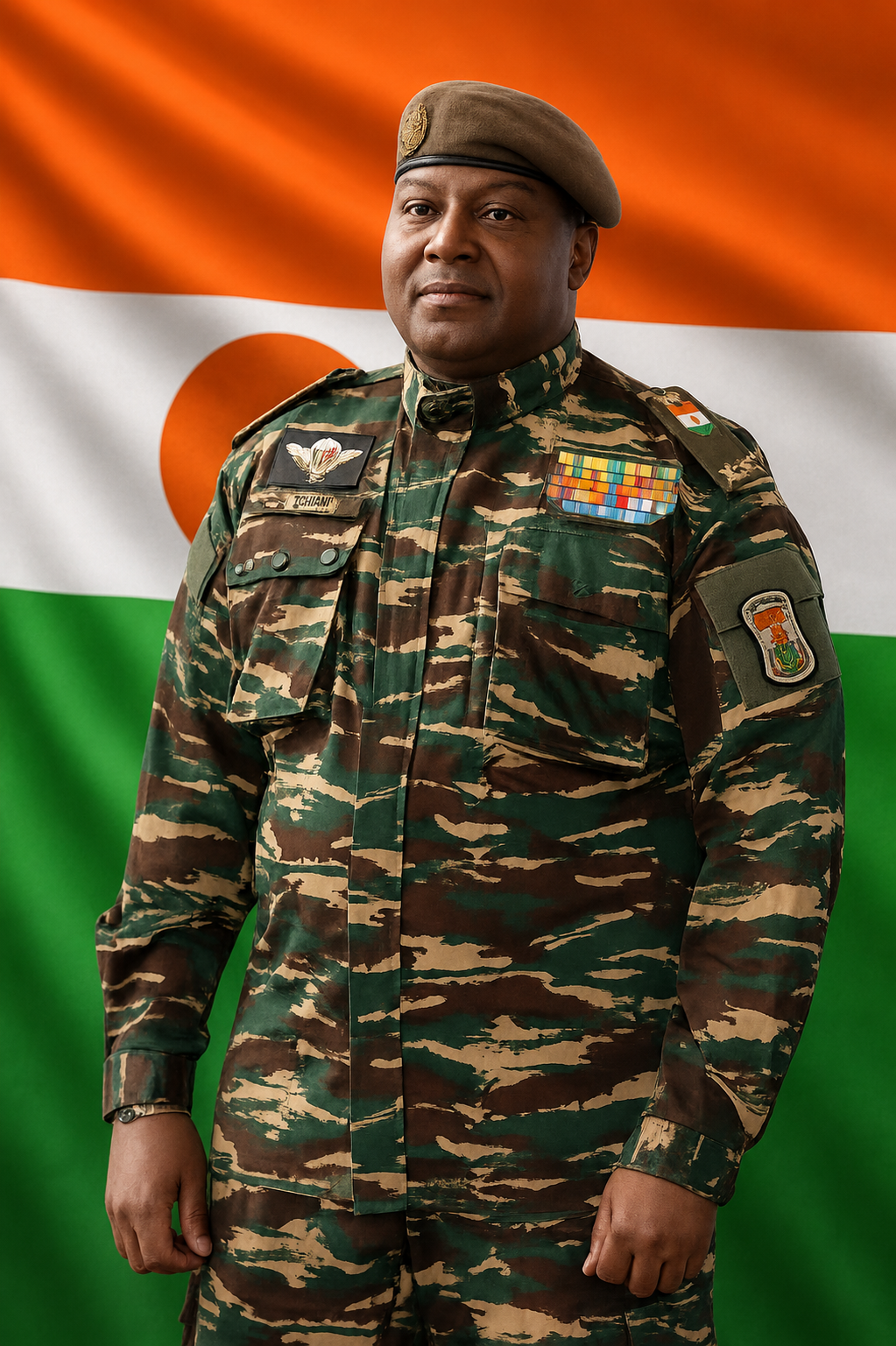
Niger military strongman, Tchiani
While the ICC acknowledged Niger’s notification, it made no reference to similar withdrawal plans by Mali or Burkina Faso.
The Hague-based court, established in 2002, is mandated to investigate and prosecute individuals accused of genocide, crimes against humanity, war crimes and the crime of aggression when national courts are unable or unwilling to do so.
The three West African countries have argued that they intend to establish their own regional systems for promoting justice and maintaining peace, rather than relying on international institutions.
Niger’s move is part of a broader political shift taking place across the central Sahel. In recent years, Niger, Mali and Burkina Faso have distanced themselves from several Western-backed organizations and partnerships.
The three countries simultaneously withdrew from the Economic Community of West African States (ECOWAS) and subsequently formed the Confederation of Sahel States, a new regional alliance designed to strengthen political, economic and security cooperation among the military-led governments.
Military juntas have ruled all three nations following a series of coups earlier this decade. At the same time, their security forces have faced repeated allegations of abuses against civilians during operations against Islamist insurgent groups affiliated with al-Qaeda and the Islamic State, as violence across the region continues to escalate.
The former French colonies have also expanded their strategic relationship with Russia while reducing cooperation with Western governments.
The ICC currently has 125 member states, although several major powers including Russia, the United States, Israel and China are not parties to the Rome Statute that established the court. The ICC has also issued an arrest warrant for Russian President Vladimir Putin over alleged war crimes linked to the conflict in Ukraine, accusations that Moscow rejects.
Once Niger’s withdrawal takes effect next year, it will become only the third country to leave the ICC, following Burundi and the Philippines.

1560
Comments are closed

Stay Updated!

Subscribe to get the latest blog posts, news, and updates delivered straight to your inbox.

By pressing the Sign up button, you confirm that you have read and are agreeing to our Privacy Policy and Terms of Use