A hush fell over the crowd in Jos when Prophet Isa El-Buba stepped forward, voice firm under the weight of grief and anger. Though many looked away, he spoke anyway – about how faith is twisted by those who kill in silence. Not far off, whispers grew into murmurs as he named what others avoid: complicity hidden behind tradition. Because safety keeps slipping, he said, belief must no longer shield violence. When applause came, it was slow, scattered, like rain after drought. Leaders sat stiff-backed while he insisted they answer for lives lost. Since nothing changes without pressure, someone finally had to say it out loud.
The gathering, organized as part of its national conversation on insecurity in Nigeria’s Middle Belt, brought together religious leaders, community stakeholders, activists, and citizens troubled by years of killings, displacement, and growing distrust among ethnic and religious groups.
With fire in his voice, El-Buba told the crowd how quiet leaders have let bloodshed spread through wide stretches of the land. Not a word from those who could speak up – just stillness where noise should be – and harm grew fat on that emptiness.
“It is the responsibility of the Islamic clerics to come up and confront the people that are killing in the name of Allahu Akbar,” he declared during the session.
Outrage spread fast across a land where fear mixes daily with faith, tribal lines, power struggles, and broken systems. In places like Plateau, then Benue, through Kaduna, deep into Zamfara and Borno – bloodshed has claimed countless lives in ten years, driven by armed gangs, uprisings, village clashes, and bombings.
Beyond just anger, a quiet disbelief settled in across Nigeria when leaders spoke again – this time after violence flared once more. What stood out was not the words themselves, but how familiar they felt, echoing past moments with little change since. Some pointed at patterns: strong reactions only on certain days, to certain victims, while others faded without reply. To those watching closely, it wasn’t about one speech – it became proof of something deeper, slower, harder to fix.
A Nation Tired of Violence
Nowhere feels safe when sirens echo through Plateau State’s hills – families flee before dawn, leaving behind smoldering rooftops. Officials show up days later, after the gunshots fade into silence. Whole settlements vanish overnight, erased by fire and fear. People walk for miles carrying only what fits in their arms. Smoke stains the sky where homes once stood.
Outspoken on violence in Plateau and across the Middle Belt, El-Buba said treating large-scale killings as ordinary is something Nigeria can’t keep allowing. Though many have stayed silent, he made clear such bloodshed shouldn’t be accepted as routine. Because lives keep being lost, ignoring the pattern isn’t an option anymore. Since suffering continues unchecked, pretending it’s normal won’t work. With each attack, the idea of peace slips further away.
Yet he pushed faith figures alongside officials to do more than just speak out when bloodshed happens. Instead of empty words each time, they ought to face what lets brutality survive.
He told regular people in Nigeria to expect better answers from leaders who handle safety and running the country.
He says people should quit seeing insecurity as someone else’s problem. Instead of waiting, they might start asking officials – local or national – what they’re doing to protect homes and families.
What he said hit hardest among groups still casting ballots based on faith or ancestry, yet never asking for proof of progress from leaders they elect.
“Enough of the Silence”
Furious faces filled the room that day in Jos, showing how worn down people have become in Nigeria’s troubled areas. Tension had been building for months, maybe years, then spilled into view during the meeting. Voices rose not just to speak but to shout out pain long ignored. This was more than policy talk – this was raw frustration finding space to breathe. Lives shaped by violence finally demanded witness. Not answers. Just someone to see.
Years passed. People who lived through violence kept saying officials ignored at-risk groups. Not just once – over time, trust wore thin. Empty words replaced real change, some claim. Rural residents feel it most, where safety plans vanish like smoke. Promises were made. Follow-through never showed up. Protection remains a distant idea for many. Officials speak. Actions stay silent.
It strikes a chord, what El-Buba said. Not because it’s new – because it names something people feel but rarely say out loud. Fear plays a part. So does politics. Religion too. Together, these keep hard talks quiet. Extremism grows in the silence. Safety slips away. Nigerians notice. They see how avoiding truth hasn’t brought peace.
Later that day, talk shifted toward what justice requires. Peace efforts came up, tied closely to how communities handle conflict. Policing ideas emerged, rooted in local trust. Religious figures and elders agreed – working together matters more now. Conversations lingered on unity, shaped by shared responsibility.
Now once again people are asking what role churches should play in stopping extremism after the priest spoke out. His words brought it back up – how much must faith groups do to block hatred that leads to harm.
When security specialists speak up, they often say armies can’t fix everything. Fighting back isn’t only about weapons – it’s shaped by beliefs too. Religious leaders who hold weight must step in, challenging twisted uses of faith. Without their clear stance, violent acts hiding behind holy words keep finding cover. Authority rooted in trust matters most when dismantling harmful myths.
Citizens Want Better
What mattered more than faith was his stark reminder to people across Nigeria. Democracy falters whenever those in power face no pressure to answer for their actions. A working system depends on active citizens watching closely.
Everywhere in Nigeria, safety worries now shape how people live each day. Because of fear, farmers leave their fields behind. Highways get skipped by travelers – too many kidnappings happen there. Left on their own, towns start neighborhood watch teams just to cope.
Even so, when votes are counted, blame somehow slips away. Though worry grips daily life and wallets grow thin from unrest, leaders vanish into silence once chosen. After ballots settle, duty tends to dissolve.
Should people stop pushing their leaders to fix safety rules, gather better intel, deliver justice, yet punish gangs firmly, experts warn the bloodshed could drag on. Only steady public demand keeps reform alive, they add, otherwise chaos just resets. Pressure now prevents more pain later, one analyst notes – complacency invites repeat tragedies. When accountability fades, so does hope for peace.
A Wake-Up Call to Nigeria
Though the meeting in Jos wrapped up, its lingering concerns still ripple through communities far beyond. What was spoken there hasn’t faded – instead, it drifts into conversations nationwide, quietly shaping thought long after chairs were stacked and lights turned off.
What happens when people stay afraid for too long in Nigeria? How much time passes before fear changes everything?
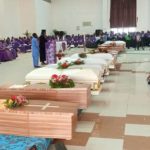
Still more vows from those in charge, yet families grieve at gravesides. How much time before empty words stop replacing real change. Each speech feels heavier when coffins keep arriving. Promises hang in air, unanswered by action. Mourning never ends, but speeches do repeat. When does pretending run out of steam.
How long before speaking up feels easier than staying quiet about hard things?
Some folks tuning in online or on TV saw something different when Prophet Isa El-Buba spoke up. Not just words – sharp ones. A moment that cut through noise. Because Nigeria’s safety problems aren’t distant anymore; they’re here, loud and clear. Facing them means stepping up – faith figures, lawmakers, regular people. Truth matters now. So does owning choices made. Silence won’t fix what’s broken.
Besides fighting terror, Nigeria also faces gang attacks, ethnic conflicts, violence by structured crime groups – yet a signal from Jos cut through it all distinctly
Healing won’t come to Nigeria when powerful voices stay quiet, yet lives keep being lost without cause.