6 charged in vehicle-theft cartel from US to Africa

Six individuals have been arrested and charged in connection with an alleged organized vehicle theft and international trafficking operation that authorities say may have moved dozens, potentially over 100, stolen cars from the Washington, D.C. region to overseas buyers, including Ghana in West Africa, according to a federal indictment unsealed Wednesday and reporting by WTOP News.
The suspects include Jacob Hernandez, 29, of Los Angeles; Khobe David, 24, of Upper Marlboro, Maryland; Dustin Wetzel, 23, of Woodbridge, Virginia; Chance Clark, 25, of Waldorf, Maryland; James Young, 23, of Hyattsville, Maryland; and a sixth individual whose identity was redacted in court filings. All were arrested earlier this week after a grand jury returned a 15-count indictment.
Federal prosecutors allege the group operated a coordinated theft-and-export pipeline that targeted high-value vehicles across Washington, D.C. and surrounding Maryland communities. According to U.S. Attorney for D.C. Jeanine Pirro, investigators have directly linked at least 20 vehicles to the indictment, with an estimated street value just under $1 million. However, she said the broader investigation suggests more than 100 vehicles may have been stolen in D.C. and over 30 in Prince George’s County, potentially totaling up to $4 million in losses, according to WTOP News.
Authorities say the operation relied on a modern, highly efficient method of vehicle theft that bypassed traditional break-ins. Instead of forced entry, investigators say suspects used electronic programming tools, commonly available diagnostic devices, to reprogram vehicle systems in under a minute.
Once stolen, the vehicles were allegedly moved to staging locations, including a garage in Navy Yard (70 I St. SE) and another site tied to a Marriott property in Maryland. There, investigators say license plates were swapped, vehicle identification numbers were sometimes altered, and tracking systems were disabled or reset.
From these locations, vehicles were reportedly loaded into shipping containers falsely labeled as “furniture” and transported through multiple East Coast ports, including Baltimore, Savannah, and Newark, before being shipped overseas.
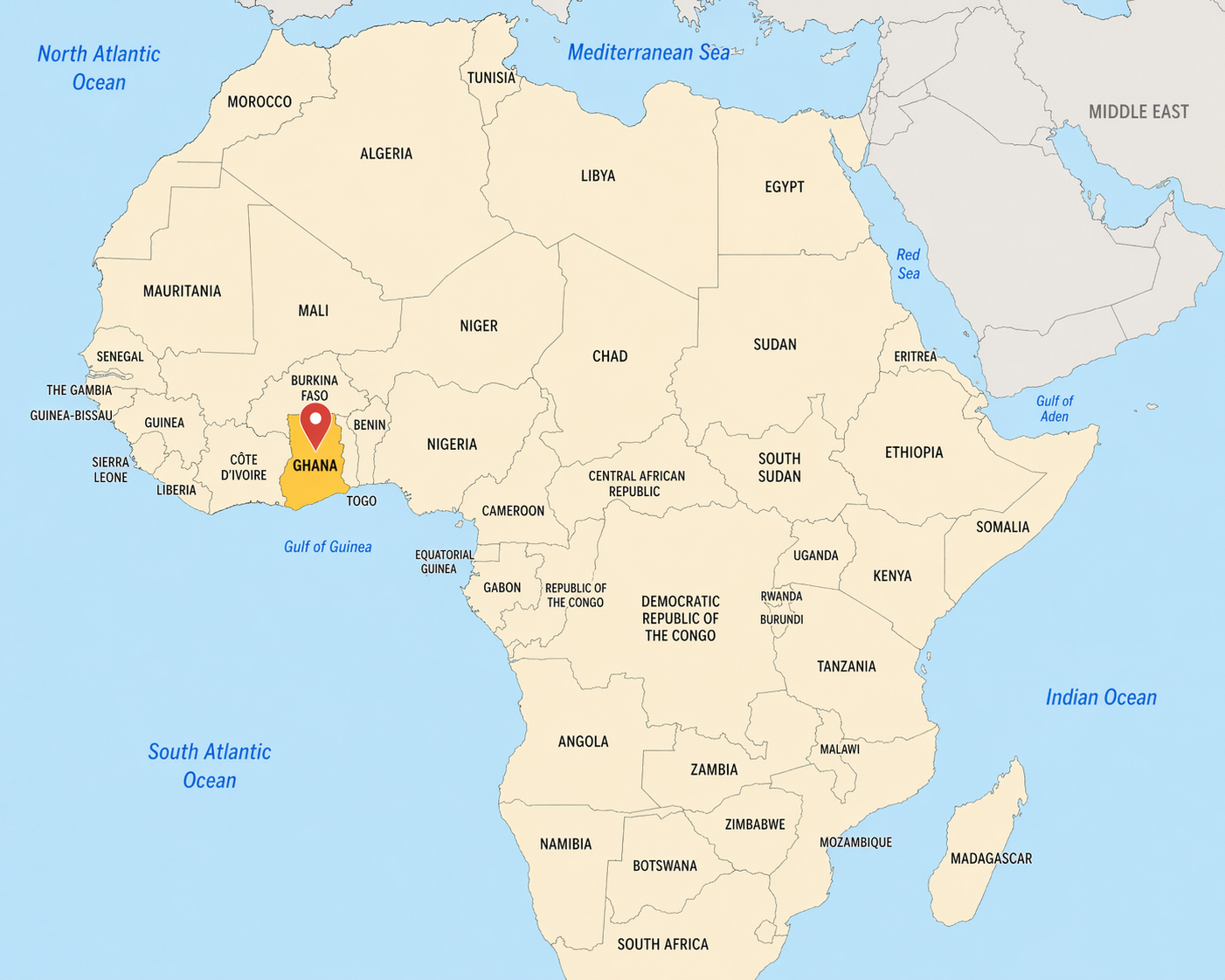
Authorities say some of the stolen vehicles were ultimately traced to West Africa, where demand for used American cars remains strong. In countries such as Ghana, imported vehicles are widely used due to durability, brand preference, and limited local manufacturing capacity. However, high import tariffs and supply constraints can increase prices, making the market attractive not only for legitimate exporters but also for illicit supply chains.
Criminal networks can exploit these conditions by blending stolen vehicles into legitimate shipping flows. Once abroad, altered identification numbers and falsified shipping declarations can make recovery extremely difficult.
For law enforcement agencies, the case highlights a growing challenge: vehicle theft is no longer just a local property crime but part of a broader international logistics problem involving ports, shipping intermediaries, and digital vehicle systems.
While the investigation centers on specific individuals accused of criminal activity, experts caution against generalizing such cases to entire populations or immigrant communities.
For African countries receiving imported vehicles, schemes like this can undermine trust in used-car markets, increase regulatory scrutiny, and place additional pressure on customs enforcement agencies working to distinguish legitimate imports from stolen goods.
For African immigrants and African diaspora communities in the United States, high-profile transnational cases can sometimes lead to unintended social consequences. Public conversations about cross-border crime risk being misinterpreted or generalized, even though criminal networks are typically composed of small, organized groups operating independently of broader communities.
Law enforcement data and academic research have consistently shown that crime is not inherently linked to immigration status as a whole, but rather to specific individuals and conditions unrelated to nationality. Still, cases involving international movement of stolen goods can sometimes fuel misconceptions, making careful reporting and context especially important.
Interim D.C. Police Chief Jeffrey Carroll said stolen vehicles tied to the case were recovered across multiple states and as far away as West Africa, underscoring the geographic scale of the alleged operation.
Authorities are urging vehicle owners to adopt additional security measures. These include using Faraday bags to block electronic key signals, installing steering wheel locks, and placing tracking devices such as AirTags inside vehicles. Officials also warned that even electronic key protection may not be enough, since thieves can sometimes bypass systems directly through onboard diagnostic ports.
Pirro also suggested that regulation of widely available vehicle-programming devices, such as Autel tools, may need to be considered, noting their ease of access online.
Officials say the investigation is still expanding and may involve additional suspects connected to shipping, logistics, and container labeling operations. Prosecutors are also examining whether more than 100 additional stolen vehicles could be tied to the broader conspiracy.
“There’s still a lot of peeling of the onion to do,” Pirro said, according to WTOP News, indicating that further charges could follow as investigators trace the full international network.

Read Also:
2883
Comments are closed

Stay Updated!

Subscribe to get the latest blog posts, news, and updates delivered straight to your inbox.

By pressing the Sign up button, you confirm that you have read and are agreeing to our Privacy Policy and Terms of Use

Recent Posts: