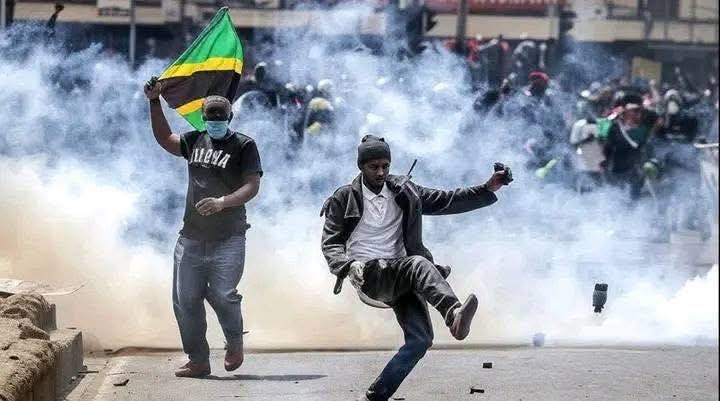
A government-appointed commission in Tanzania has concluded that the deadly violence that erupted after the country’s 2025 presidential election was orchestrated by trained agitators with foreign backing, while largely absolving state security forces of responsibility.
The report, presented Thursday to President Samia Suluhu Hassan, marks the first official state effort to explain the unrest widely described as the most serious political violence in Tanzania since independence in 1961.
Receiving the findings, President Hassan said the events had “shaken the nation,” while calling for reconciliation and national unity. However, the report has immediately drawn criticism from opposition figures and international human rights organizations, who accuse authorities of using excessive force during the crackdown.
Commission chairman Mohamed Chande Othman said investigators found that the violence had been carefully planned and financed by forces seeking to destabilize the country. He did not publicly provide evidence for the claim.
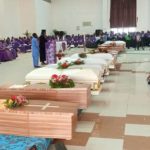
The commission reported a provisional death toll of 518 people, significantly lower than some estimates by rights groups, which suggested that the number of dead may have reached into the hundreds or even thousands.
Othman also stated that security forces acted with restraint and used proportionate force in restoring order. He said the commission’s mandate did not include criminal investigations.
The report sharply contrasts with accounts from groups such as Human Rights Watch, which said Tanzanian security personnel acted with impunity after the election, allegedly shooting protesters and bystanders in multiple parts of the country.
Opposition party Chadema dismissed the findings outright. Deputy chairman John Heche called the report a “total lie,” accusing authorities of shifting blame from those responsible for killings onto civilians.
The disputed election took place amid growing concern over democratic backsliding in Tanzania, a nation of roughly 70 million people long viewed as one of East Africa’s more stable states.
Main opposition leader Tundu Lissu was arrested before the vote and later charged with treason. Chadema was barred from participating in the October election, leaving the ruling Chama Cha Mapinduzi (CCM) as the only major party on the ballot.
President Hassan was officially declared winner with 98 percent of the vote, alongside an announced turnout of 87 percent.
The election result was criticized by international observers, including the African Union. In the United States, senior lawmakers including Jim Risch and Jeanne Shaheen urged a reassessment of Washington’s relationship with Tanzania.
It remains unclear whether the release of the commission’s findings will ease pressure from Tanzania’s international partners, many of whom have expressed concern over governance, political freedoms, and accountability.
The report is likely to deepen debate over whether Tanzania under President Hassan is reforming politically,or reverting to a more authoritarian path after years of relative democratic openness.